
The Imperfect Art of Refusal
Written by Adem Çalhanoğlu
Edited by: Thuth Htet San
Yesterday, a story from a friend of mine popped up on Instagram. She was having a pizza night at Pizza Alto, and I was happy to see her finally breaking her diet with two friends. But then I saw two cans of Coca-Cola.
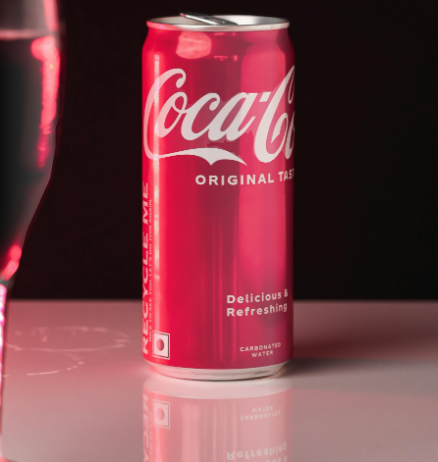
In that pizzeria, they only offer two choices for soft drinks: Coca-Cola or Grape Fanta. My perennially political mind immediately felt annoyed. She had spoken about Palestine before; surely she knew that Coca-Cola operates a bottling plant in Atarot, an illegal settlement in Occupied East Jerusalem, stolen from Palestinians who lived there long before the occupation. Right?
Then, I just tapped 'like' and moved on. I forgave her because it was one of the only options in the restaurant. Try importing "Palestine Coke" or any ethical alternatives to Japan, and a business would be charged with high tariffs in the name of protecting Coca-Cola and native brands.
That story made me think about the recent boycott of companies complicit in the oppression of Palestinians and the ongoing genocide in Gaza. The BDS (Boycott, Divestment, and Sanctions) movement maintains a list of brands to boycott, including SodaStream, AXA, Reebok, Microsoft, Intel, and Disney. Then there are the "organic targets" comprising Starbucks, McDonald’s, Coca-Cola, and Zara. Starbucks has been targeted because of the age-old capitalist tactic of union-busting after its workers' union posted in solidarity with the Palestinians, and McDonald’s for supplying Big Macs to Israeli soldiers (read: War Criminals) while Palestinian children are starving.
The point isn't to become a hermit brewing your own soy sauce. BDS isn't asking us to be DIY maximalists or monks on Mount Athos. They're going after the brands everyone recognises—the ones plastered on vending machines and storefront windows, the ones whose quarterly earnings get reported on Bloomberg. Hit Coca-Cola, and investors notice. Hit some obscure subsidiary buried five layers deep in the corporate structure, and nothing happens. The strategy is visibility.

For someone like me, who comes from cultures that have better alternatives, boycotting also feels like a correction rather than a sacrifice. Take Starbucks, for example. We all know that their coffee—whether made in factories or their premium reserves, in the US or Japan—tastes like burnt coffee water. In Vietnam, we have cà phê sữa đá, which is stronger and more addictive than your Grande Frappe, and Turkish coffee is basically a ritual and fortune-telling mechanism in a cup.
Not to flatten myself, but there is a dark, humorous satisfaction in this: boycotting as an act of aesthetic curation. I can look at the mass-produced burgers and the sugary chemical water and feel a sense of superiority that is as much aesthetic as it is political. You don’t need to be privileged or spoiled for choice to boycott; you just need to choose healthier alternatives, cook for yourself, or brew your own cup of coffee. I am boycotting mediocrity. It is a small win for the soul, a way to feel sophisticated without acting like a prick. (And yes, I donated 10 USD to a Palestinian family properly vetted by r/Palestine on Chuffed).
But this moral high ground disappears the moment I walk into a Lawson on the APU campus.
I stand before the fridge, thirsty and tired. The lower prices offer relief. I look at the water: I LOHAS. Owned by Coca-Cola. The tea: Ayataka. Owned by Coca-Cola. The coffee: Georgia. Owned by Coca-Cola. The ubiquity of its products doesn’t stop there. Half the vending machines on campus are emblazoned with the Coca-Cola logo. Stepping outside to the common area, you can’t convince the average Tanaka to boycott his Coke because his world is different from yours. But perhaps you can be critical of someone from Bangladesh who finds Coke Studio Bangla too culturally iconic to abandon.
There are arguments against boycotts within the Japanese context. People argue that McDonald’s in Japan is a separate entity; it does not send its money directly back to the United States, it pays local taxes, and it is locally owned. They tell us that hurting local franchises doesn’t hurt the American mothership. But this is an economic fallacy.
The franchise system is built on royalties. Every Big Mac sold in Beppu sends a percentage of its price back to the corporate headquarters in Chicago. More importantly, the ubiquity of the brand is its primary asset. Capitalism enabled it to permeate to the poor, to the broke university student who wants cheap eats, making people queue upsignaling to the stock market that the brand is healthy, dominant, and unavoidable even in the furthest corners of Japan.
Unfortunately, we cannot be perfect. If I boycotted every subsidiary of every company complicit in this genocide, I might as well be self-sufficient for everything from rice to clothes. We target the symbols—the Red Can, the Golden Arches, the Mermaid—because they are the face of the machine. The goal of a political boycott is to pressure the company to rethink its complicity by damaging its sales and branding. We do not strive for orthodoxy in a boycott.
I still drink the Ayataka Matcha Latte from Lawson sometimes, because I am human and I need caffeine and sugar to boost my day. But I will not buy the Coke. I will not buy the Big Mac. We try to make ethical choices, considering that the companies we are funding are doing terrible things right now, unabated. We do not need to be 100% pure to be effective. We just need to be stubborn enough to say that while we cannot dismantle the entire system today, we can at least refuse to buy its flagship product. We can refuse to let the taste of genocide sit comfortably on our tongues.


Comments